Economic Development Strategic Plan
At a Glance
In October 2025, Gorham Town Council unanimously approved the Town of Gorham’s first Economic Development Strategic Plan. The report was developed Camoin Associates and North Star Planning, with input from Town of Gorham staff, the Gorham Economic Development Corporation (GEDC), members of the local and regional business community, economic developers, and real estate professionals during one-on-one interviews, focus groups, and public meetings.
The strategy report and the recommendations provided reflect the feedback received throughout the process, as well as a thorough analysis of economic and market conditions, real estate market opportunities, local land use assessment and an analysis of Gorham’s regional competitiveness.

Why This Plan Matters
Gorham is at a pivotal moment—experiencing growth while working to protect the character and values that define the community. This Economic Development Strategic Plan provides a five‑year roadmap to guide decision‑making, strengthen the local economy, and ensure growth benefits residents, businesses, and future generations.
The plan is grounded in community input, market analysis, and collaboration across Town departments and partners.
The Vision
To position Gorham as a resilient, economically vibrant community where businesses choose to start, grow, and locate—while preserving rural character, village centers, and quality of life.
How the Plan Was Developed
- Input from local businesses, residents, and community stakeholders
- Close coordination with Town staff, the Town Council, and advisory bodies
- Analysis of market conditions, land use, and economic trends
- Focus on what is realistic, feasible, and aligned with community values
Guiding Principles for Decision Making
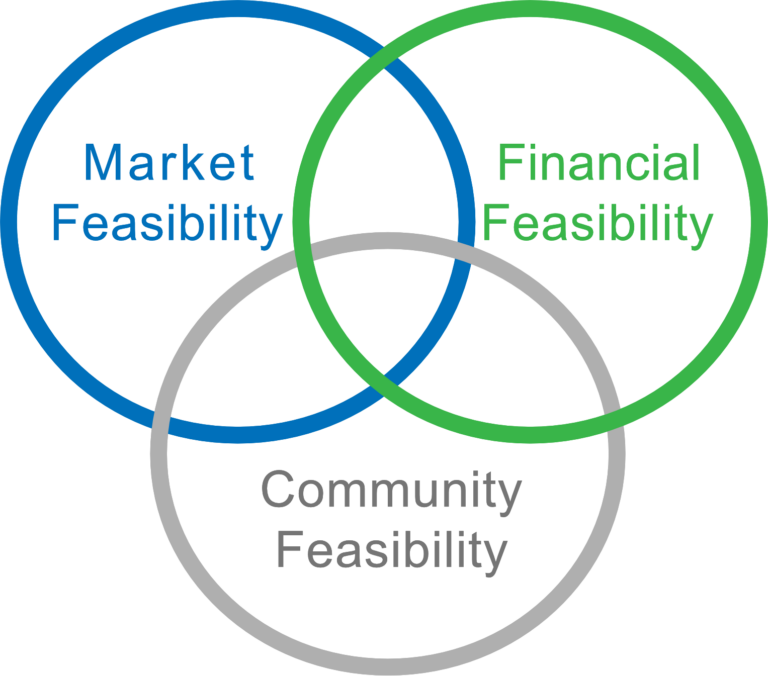
All economic development initiatives are evaluated through three lenses:
- Market Feasibility – Is there demand and economic opportunity?
- Financial Feasibility – Can the project or initiative be realistically supported?
- Community Feasibility – Does it align with Gorham’s character and priorities?
These factors are weighed together, recognizing that one may take precedence depending on the situation.
GORHAM’S ECONOMIC DEVELOPMENT STRATEGY GOALS
- Driving Business Growth to Support Gorham’s Character
- Connecting Economic Opportunities to Place and Infrastructure
- Leading the Economic Development Vision Through Collaborative Implementation

STRATEGIC STARTING POINTS
Actions that will jumpstart Gorham’s economic development strategy. More details can be found on page 50.
- Strengthen business relationships.
- Update zoning in target area.
- Advance housing diversification.
- Advance long-term infrastructure planning to sustain economic growth.

Gorham Assets Driving the Strategy
Gorham’s strategy builds on existing strengths, including:
- A growing population and young workforce
- A strong base of existing local businesses
- Industrial and employment land opportunities
- A tight retail and services market with room to grow
- Walkable village centers supported by trails and recreation
- Proximity to Portland and the Maine Turnpike
- Available land to support targeted, strategic growth
Three Core Strategy Goals
Drive Business Growth that Supports Gorham’s Character
Connect Economic Opportunities to Place & Infrastructure
Lead Through Collaboration and Implementation
Strategic Starting Points
To build early momentum, the Plan prioritizes near‑term actions that:
- Strengthen relationships with local businesses
- Advance zoning and land use strategies in key areas
- Support housing diversity tied to economic growth
- Plan for long‑term infrastructure needs
These “quick wins” lay the foundation for more complex, long‑range initiatives.
What Success Looks Like
- A more diverse and resilient tax base
- Stronger support for local and growing businesses
- Targeted industrial and mixed‑use development
- Improved alignment between housing, jobs, and infrastructure
- Transparent progress reporting and ongoing community engagement
What’s Next
Implementation begins immediately and will continue over the next five years. Progress will be tracked, partnerships will evolve, and priorities will adapt as market conditions change—while staying true to the Plan’s core goals.

Plan developed by Camoin Associated